

Oral Cancer Screening
Therapy at Whiteboard Family Dental
As oral health professionals, dentists are some of the first people able to catch oral cancer in its early stages during a general hygiene exam. Mouth and oral cavity cancer screenings are a vital part of preventative dentistry.
At Whiteboard Family Dental, we perform a screening for oral cancer during each standard appointment with our team. This helps us identify any early signs of oral cancer and provide recommendations for the next steps and treatment.
We also provide each patient with education about how to prevent cancer and at-home steps they can take to protect themselves.
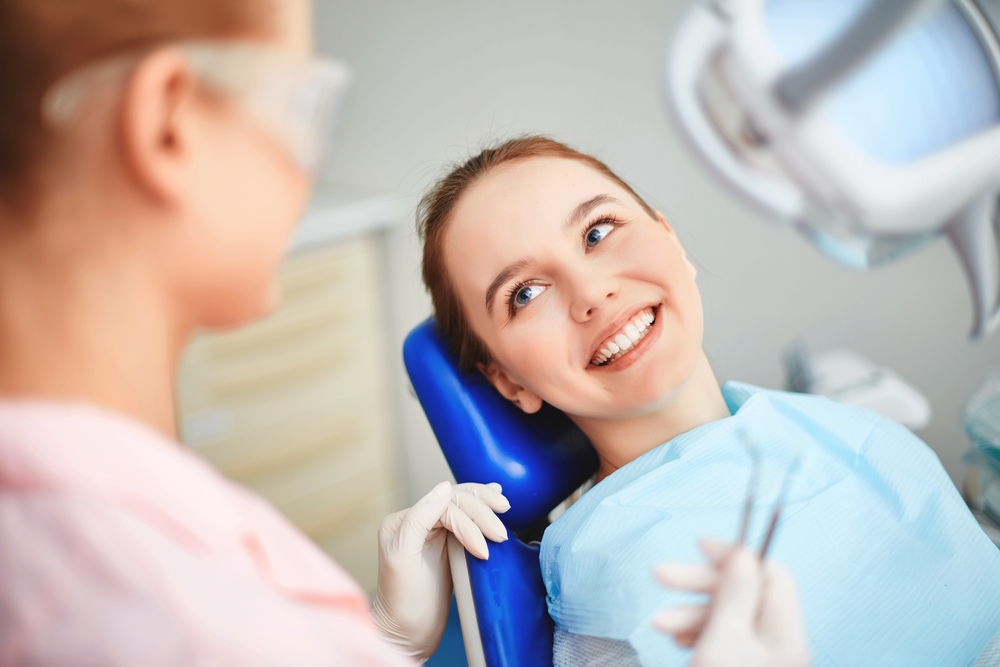
What is the Importance of Oral Cancer Screening?
Preventative care is important for all parts of your body, and your mouth is no different. Since cancer can spread to multiple parts of the body if left undetected or untreated, it is crucial to catch any form of cancer as soon as possible and receive treatment from a specialist.
For patients with signs of oral cancer, the survival rate is higher and treatments are simpler if caught early. Removal of precancerous lesions and cancer cells from the mouth will prevent the disease from spreading further in the body and get you back on track to total physical health.
What Happens During an Oral Cancer Screening?
It is important you maintain regular bi-annual checkups with Dr. James Smith and the team for the health of your teeth, gums, soft tissues and–in this case–your whole body.
Following your cleaning with one of our dental hygienists, Dr. James Smith will take a close look at all the parts of your mouth for current signs of cancer or any precancerous warning signs. Different types of technology specifically for oral cancer screening may be used during this process.
Areas of the mouth examined during an oral cancer screening include the following:
- Tongue
- Lips
- Mouth tissue
- Teeth
- Roof and floor of the mouth
- Lymph nodes, if applicable
- Ears, if applicable
From here, we will discuss our findings and any necessary next steps if a second opinion from a specialist or treatment is required.
What Does a Dentist Look For During an Oral Cancer Screening?
There are several distinct symptoms that may indicate a patient has oral cancer. This includes symptoms a dentist can see themselves or with technology, and symptoms you experience in everyday life.
We believe oral health is a collaborative process, and oral cancer screenings are no different. As part of the screen, Dr. James Smith will take time to talk with you about any symptoms you may be experiencing outside of the office and determine if this is cause for concern.
Some of the most common symptoms of oral cancer include:
- Loose teeth
- Sores on the lips or in the mouth that won’t heal
- Red or white patches
- Growths or lumps
- Mouth or ear pain
- Persistent cough
- Difficulty swallowing
If you are experiencing any of the above symptoms, please call our office immediately at (614) 555-8888 to schedule an appointment and screening.
What are the Risk Factors of Oral Cancer?
Proper aftercare is essential for a smooth recovery. To ensure the best results:
- Avoid chewing on the affected tooth until the final restoration is placed.
- Maintain good oral hygiene by brushing and flossing regularly.
- Take prescribed antibiotics if necessary to prevent reinfection.
- Schedule follow-up visits as recommended by your dentist.
A treated tooth can last a lifetime with proper care, helping you avoid extractions and maintain a natural, healthy smile.
Overflow
Overflow Content